Strigarum Arcana
A 78-Card Tarot Deck Forged as an Art Object
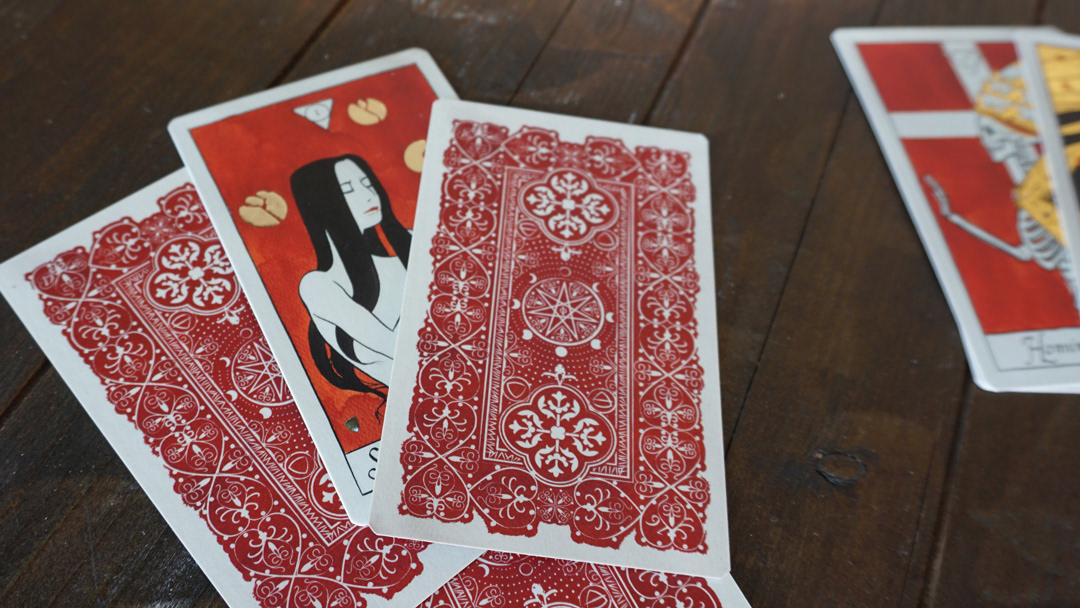
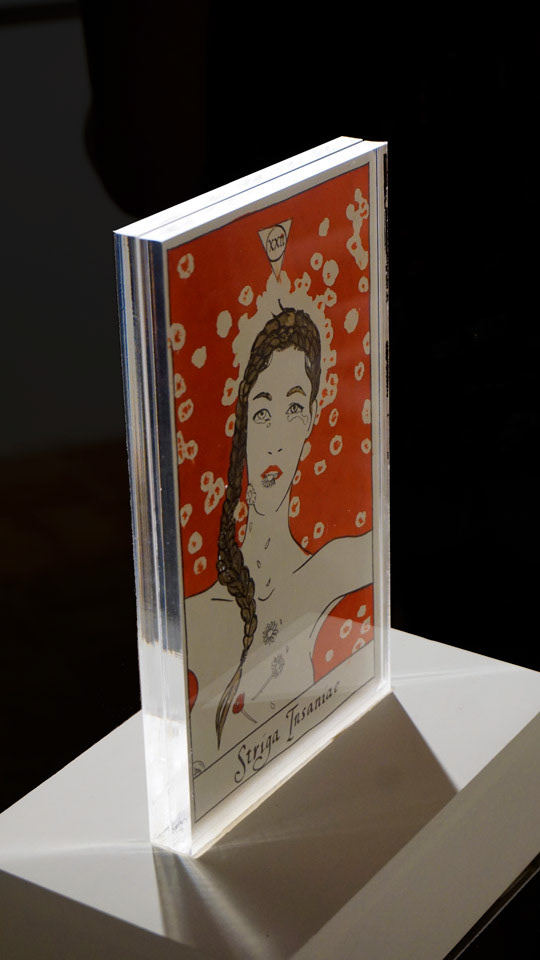
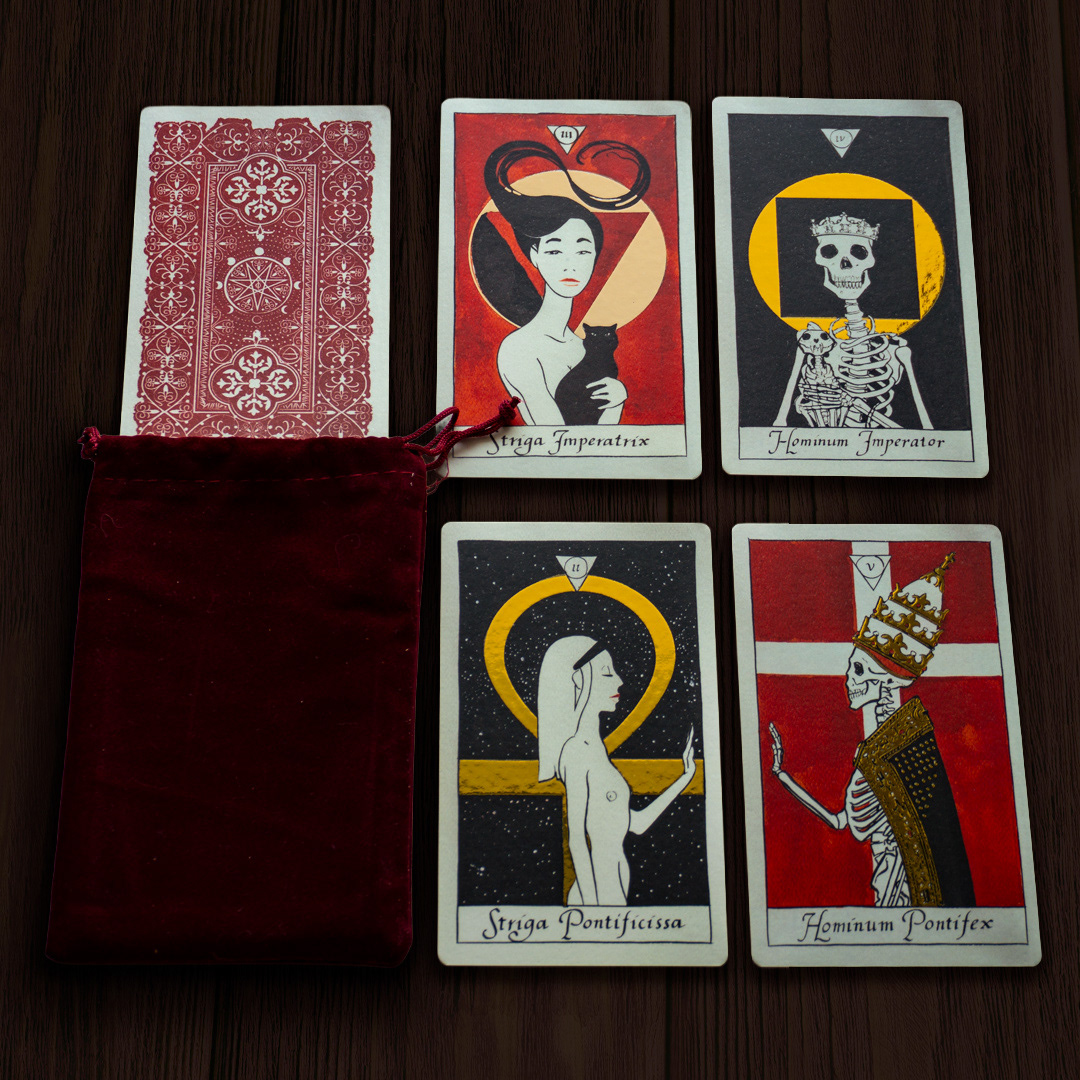
Drawn by hand in ink, gold and silver leaf, Strigarum Arcana reimagines the tarot through the figure of the Witch as a symbol of singularity and freedom.
First presented as a complete 78-card system at Gradara Castle, Italy.
Coming to Kickstarter after the exhibition.
Coming to Kickstarter after the exhibition.
No spam. Only essential updates about the deck, the exhibition, and the first edition.

What Strigarum Arcana is
A complete tarot system built through image, material, and symbolic structure.
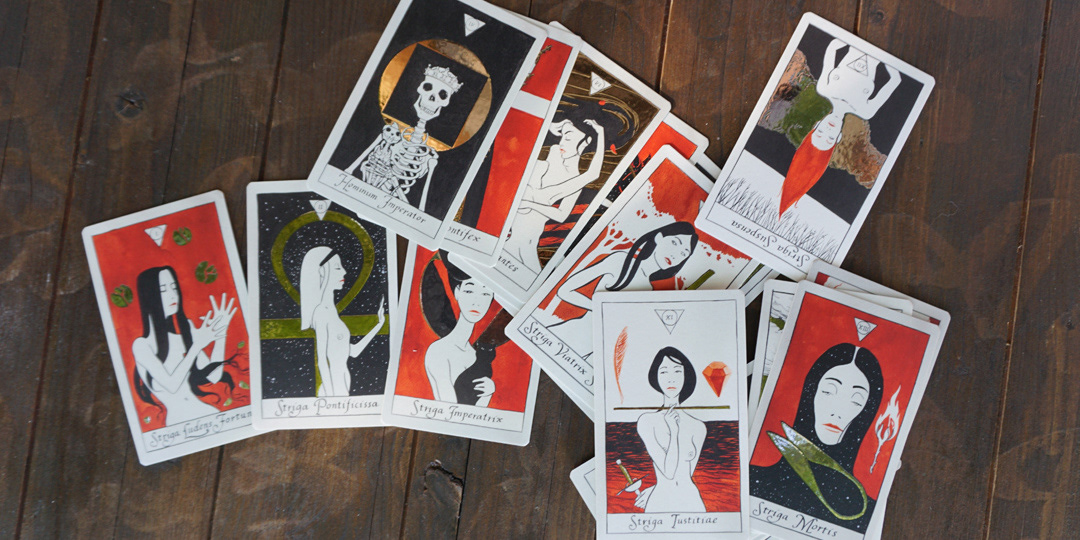
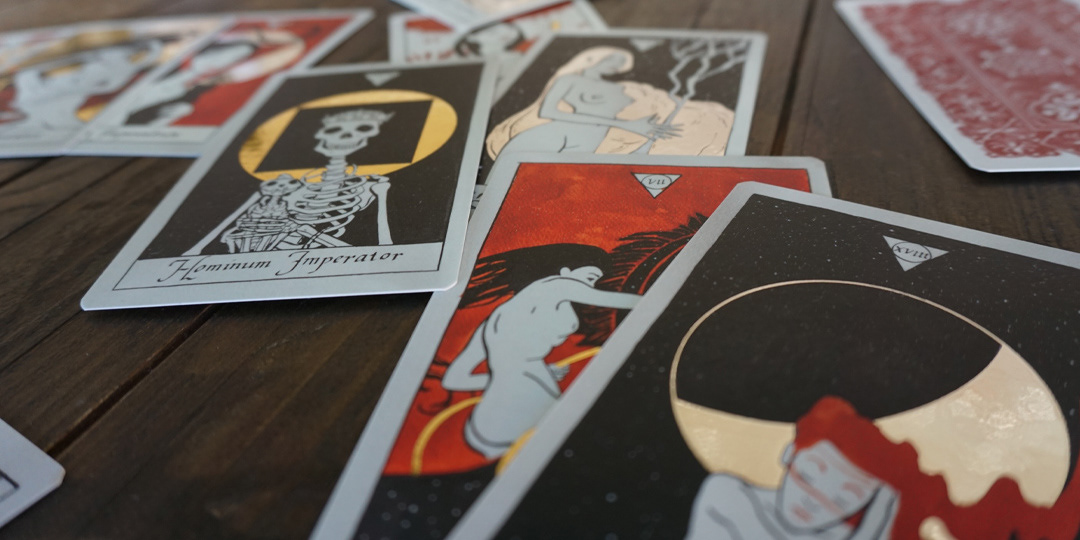
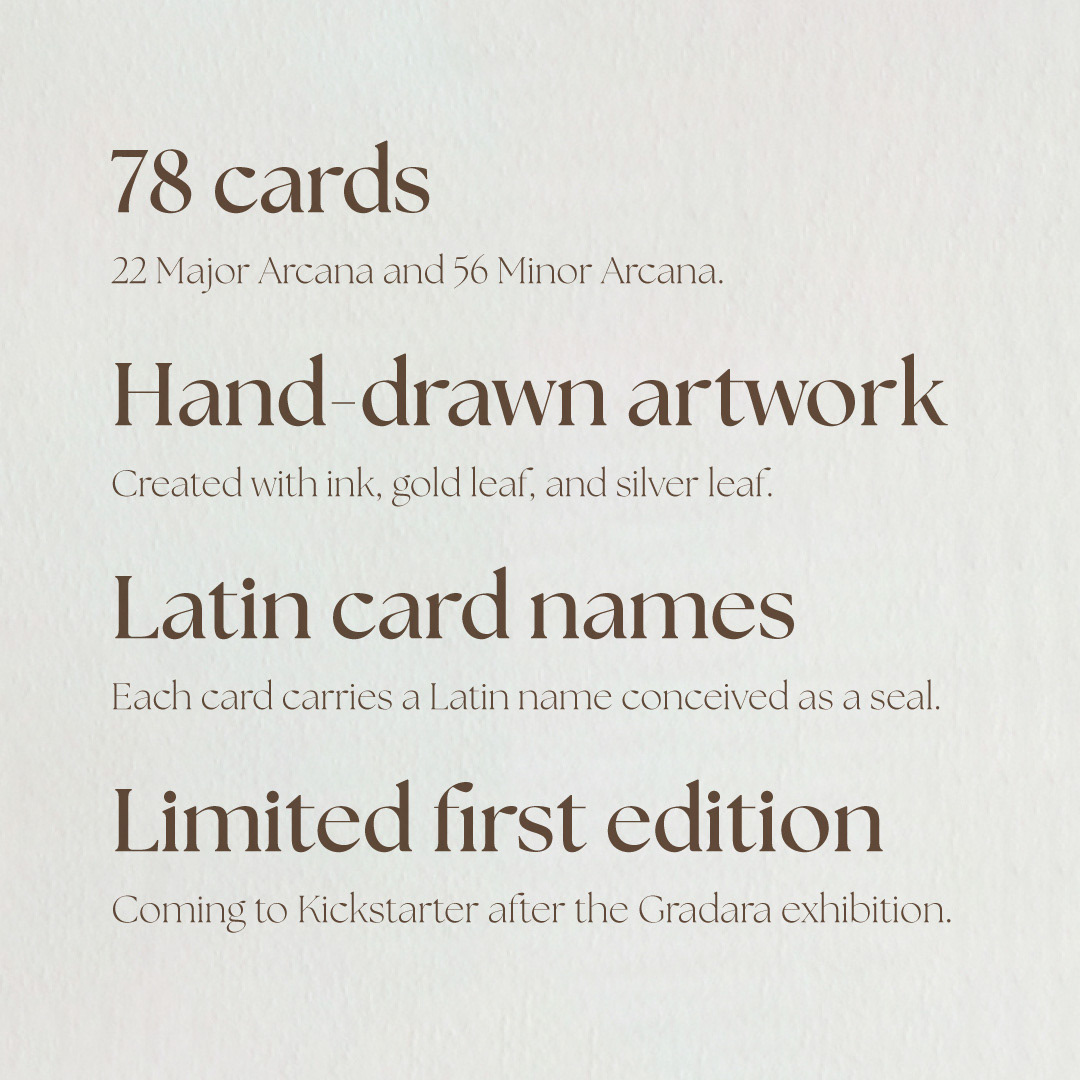
Strigarum Arcana is a complete 78-card tarot deck.
It follows the traditional structure of tarot — 22 Major Arcana and 56 Minor Arcana — while developing an original visual language based on ink, gold, silver leaf, and symbolic composition.

A Human Process
Every card begins as a physical act: drawing, pressure, material, and time.
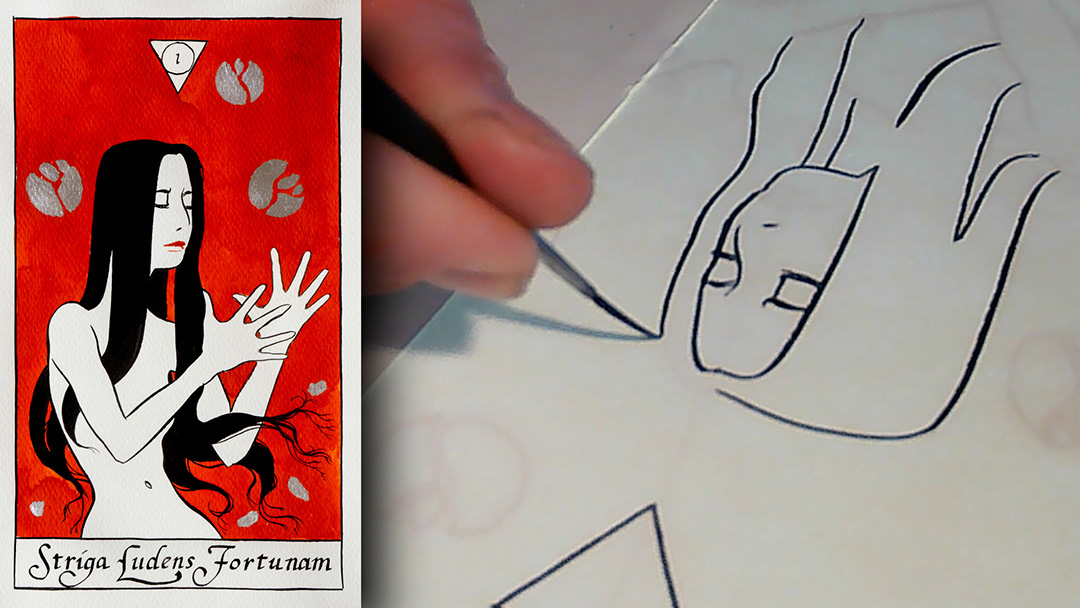
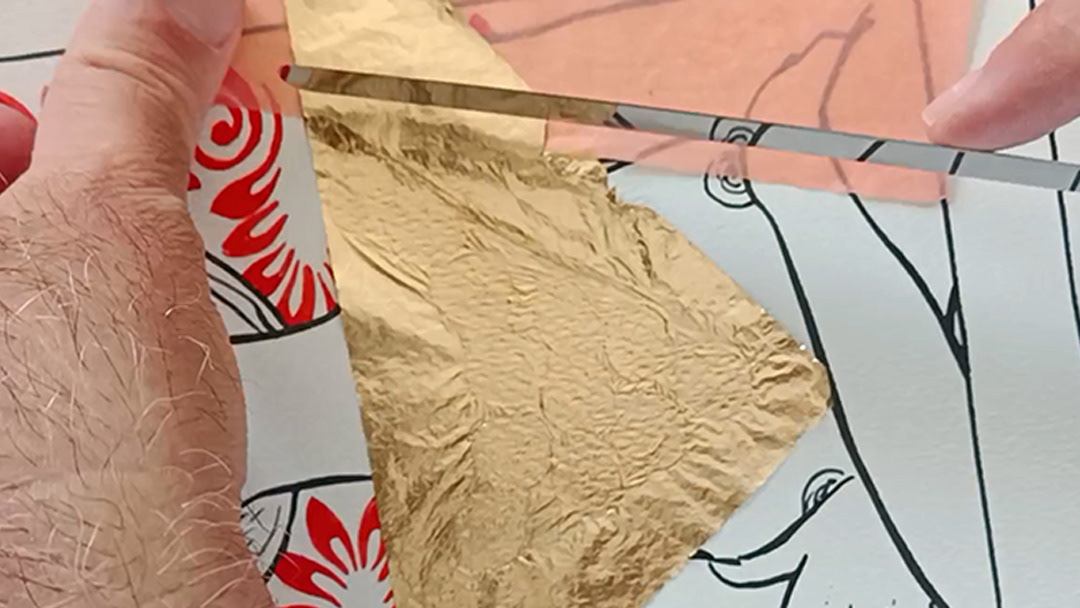
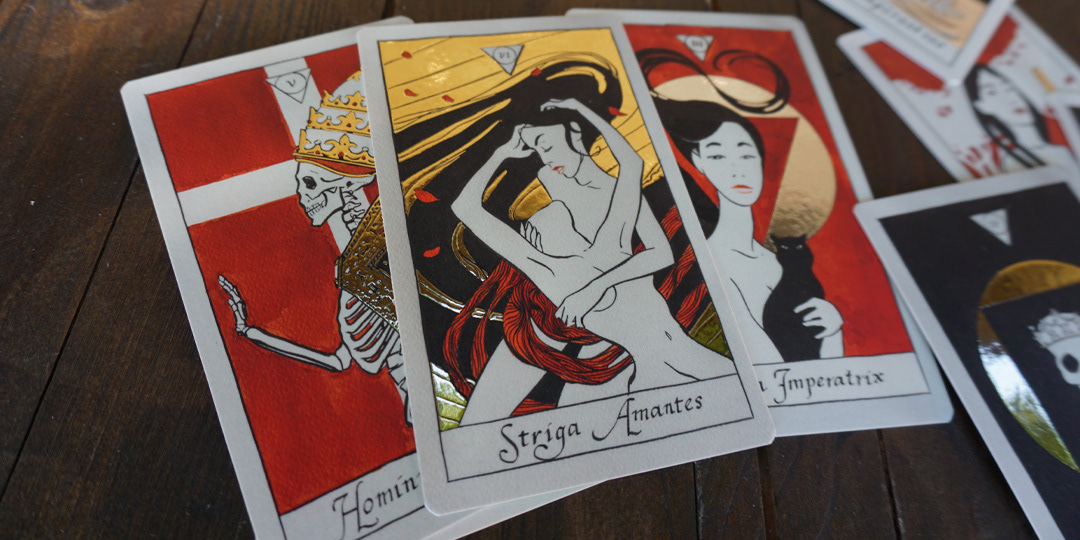
Each card begins as a physical drawing.
Japanese carbon ink, red ink, gold leaf, and silver leaf are applied by hand on 200 g cotton calligraphy paper.
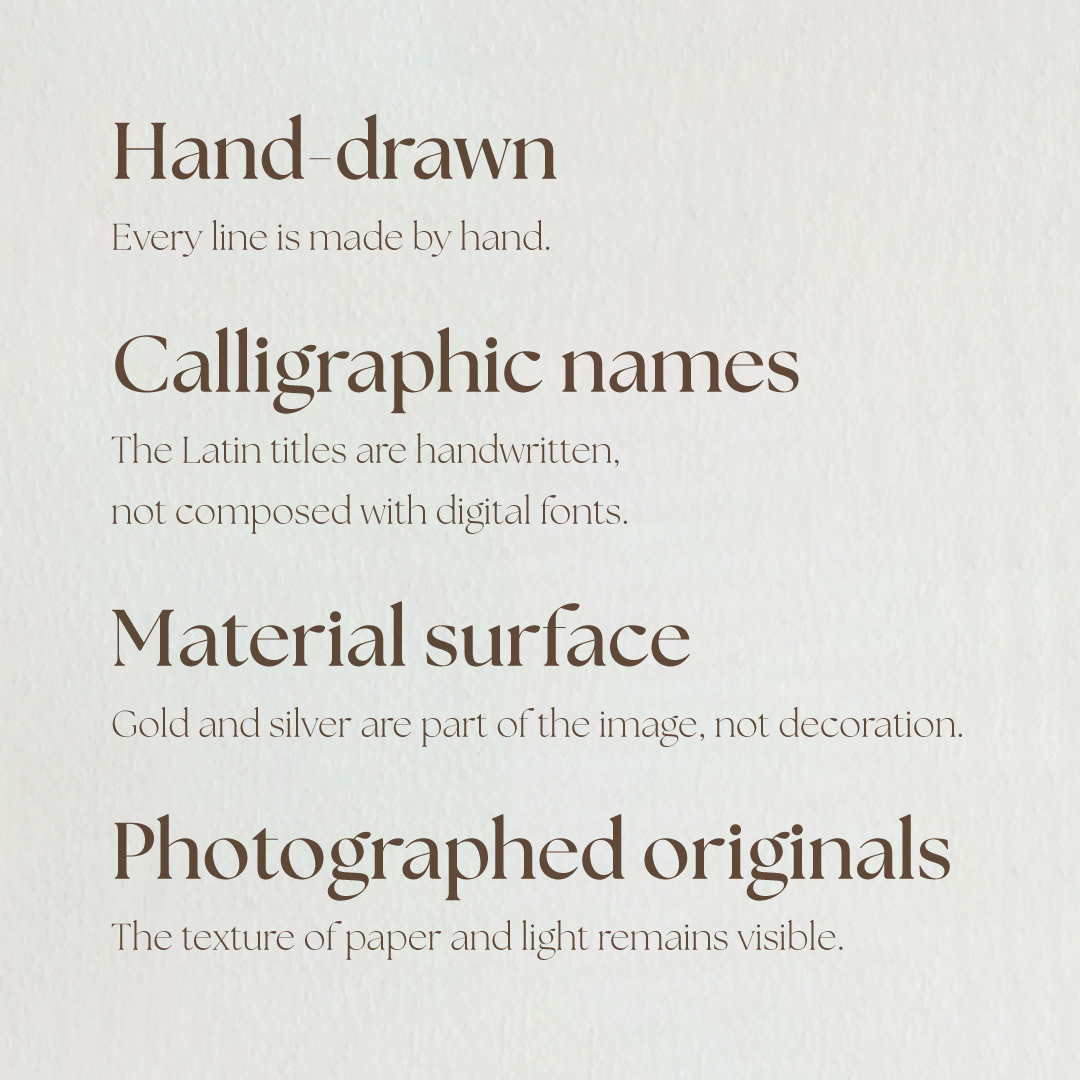
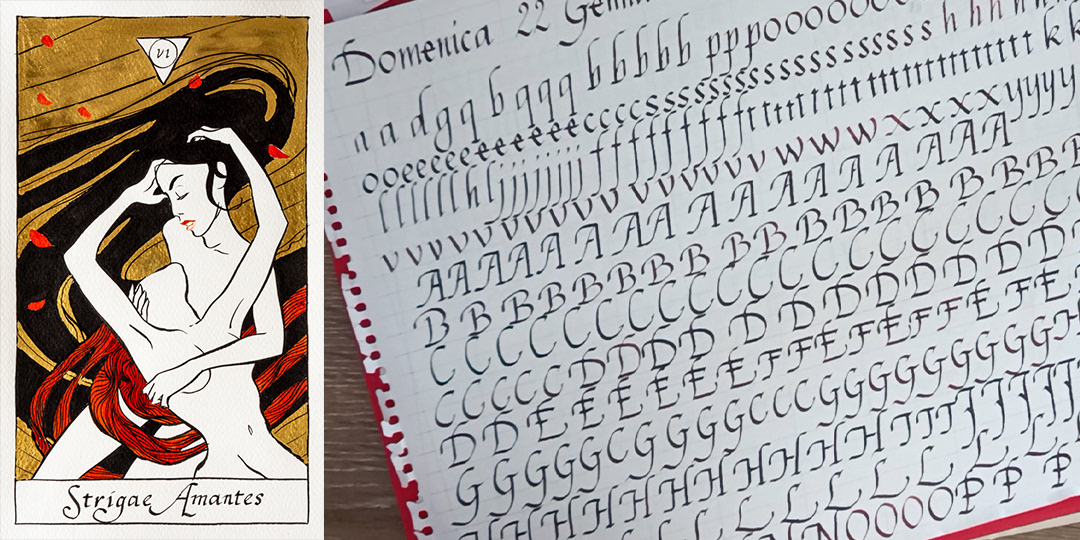
The lettering is also hand-drawn.
The Latin card names are written calligraphically, without the use of digital fonts.
The Latin card names are written calligraphically, without the use of digital fonts.
The original works are photographed rather than scanned, in order to preserve the texture of the paper and the behaviour of light on the materials.
The result is a deck rooted in gesture, pressure, time, and imperfection.

The Structure of the Deck
The deck follows the traditional architecture of tarot, then translates it into its own visual language.
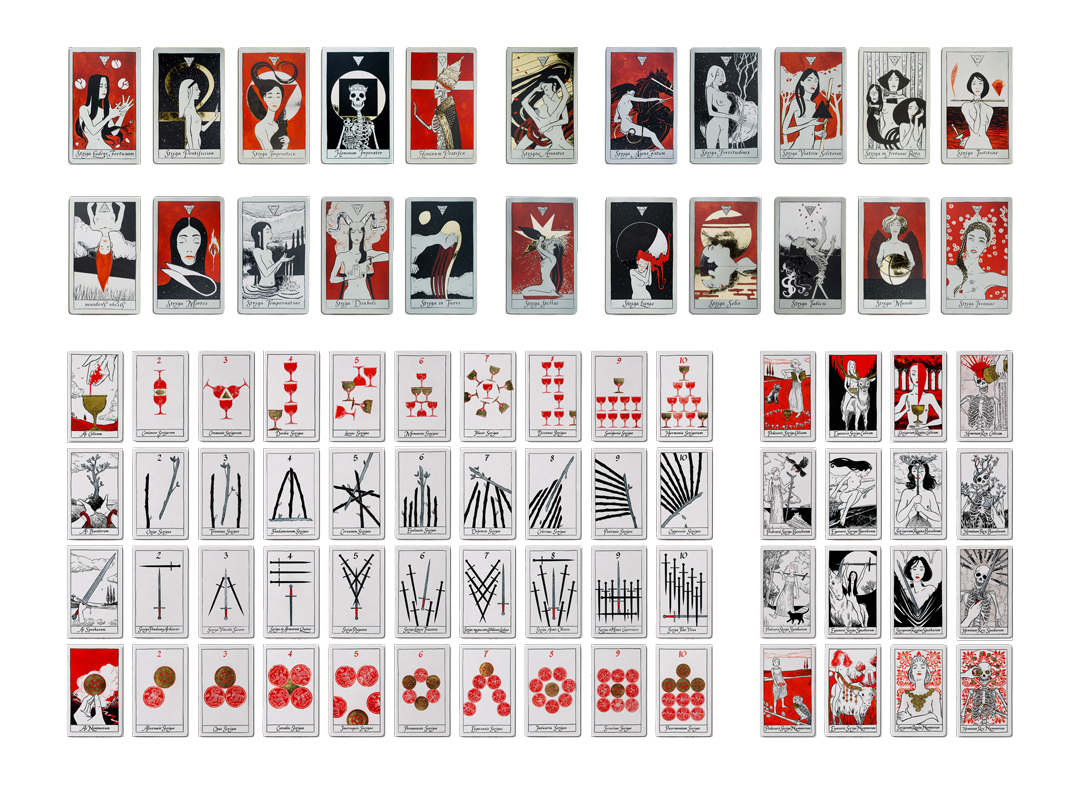
Strigarum Arcana follows the traditional structure of tarot:
22 Major Arcana and 56 Minor Arcana.
22 Major Arcana and 56 Minor Arcana.
The Major Arcana define the central symbolic path of the deck.
The Minor Arcana are organized into four suits:
Swords, Staves, Cups, and Coins.
Swords, Staves, Cups, and Coins.
Each card preserves its traditional meaning, but translates it into the visual language of Strigarum Arcana: line, position, material, contrast, and symbolic tension.

A System Named in Latin
The names are not labels: they are seals written into the identity of each card.
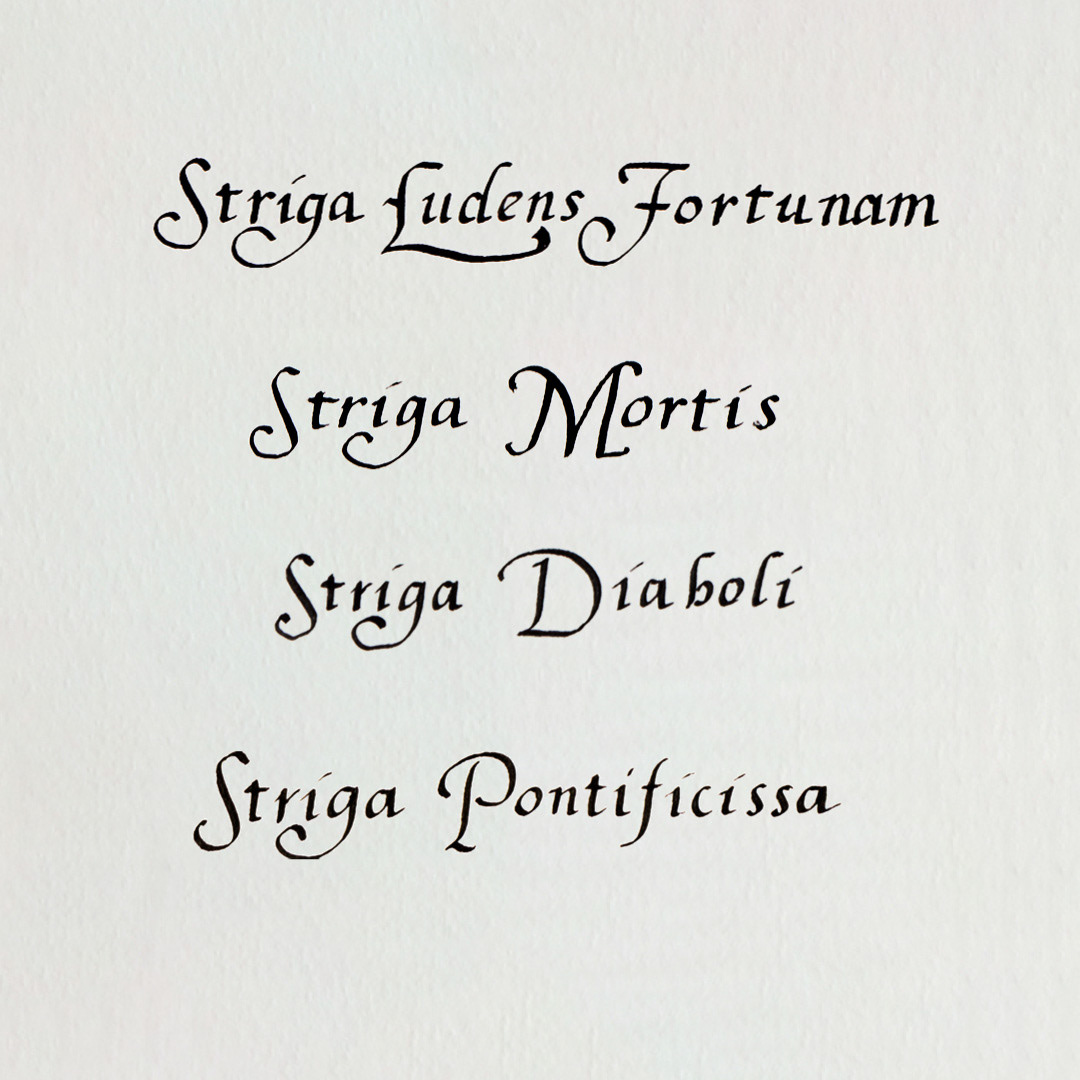
Each card in Strigarum Arcana carries a Latin name.
These names are not decorative translations.
They are conceived as seals: short verbal forms that define the identity of each card.
Latin was the language of law, doctrine, scholarship, and judgement.
In Strigarum Arcana, that language is reclaimed.
What once could name, classify, and condemn the Witch is transformed into a system of recognition.
The Latin titles give the deck a common language beyond Italian, English, or French.
They make each card part of a single symbolic architecture.
These names are not decorative translations.
They are conceived as seals: short verbal forms that define the identity of each card.
Latin was the language of law, doctrine, scholarship, and judgement.
In Strigarum Arcana, that language is reclaimed.
What once could name, classify, and condemn the Witch is transformed into a system of recognition.
The Latin titles give the deck a common language beyond Italian, English, or French.
They make each card part of a single symbolic architecture.

From Image to Experience
The deck has already moved beyond the page: into exhibitions, sound, and live performance.

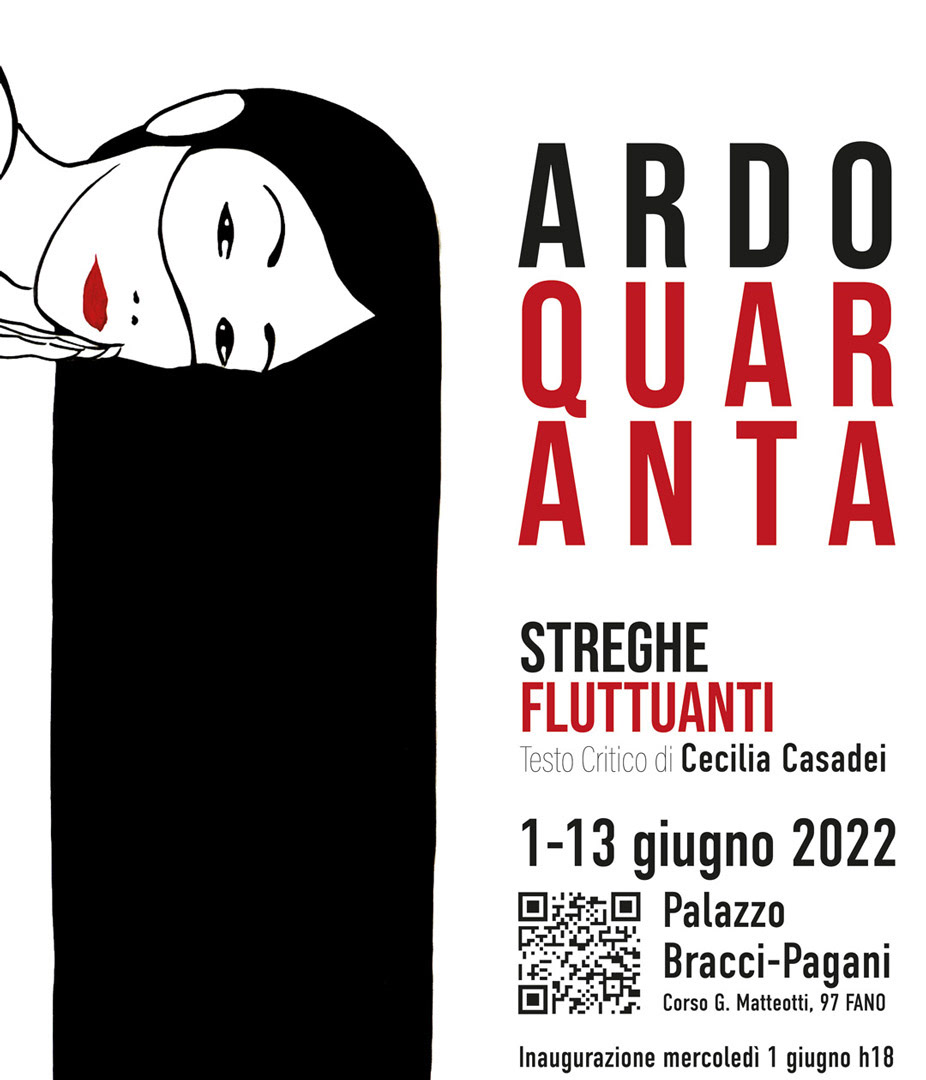
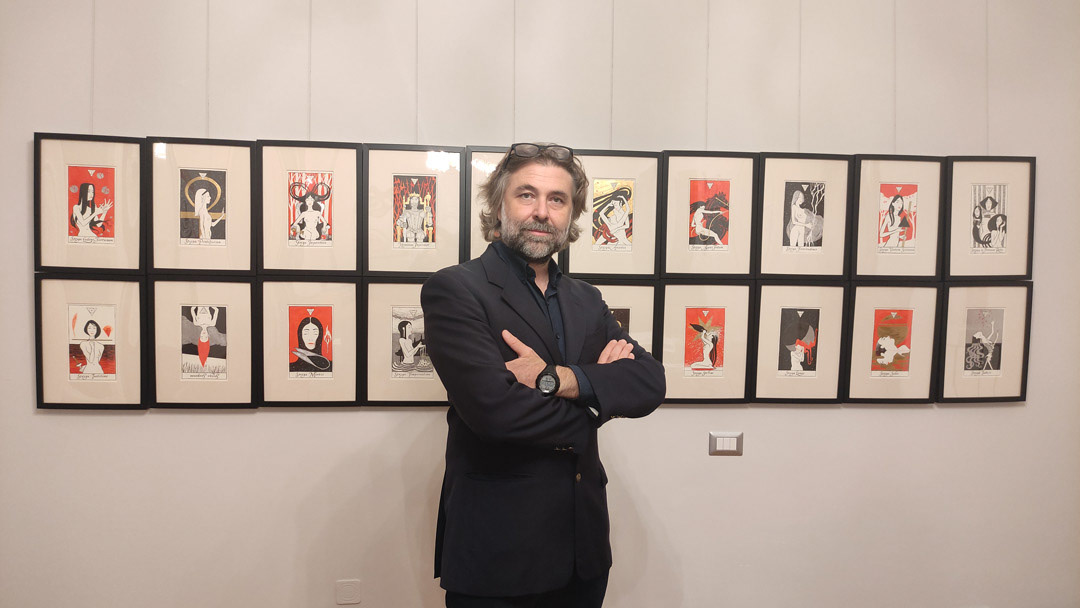
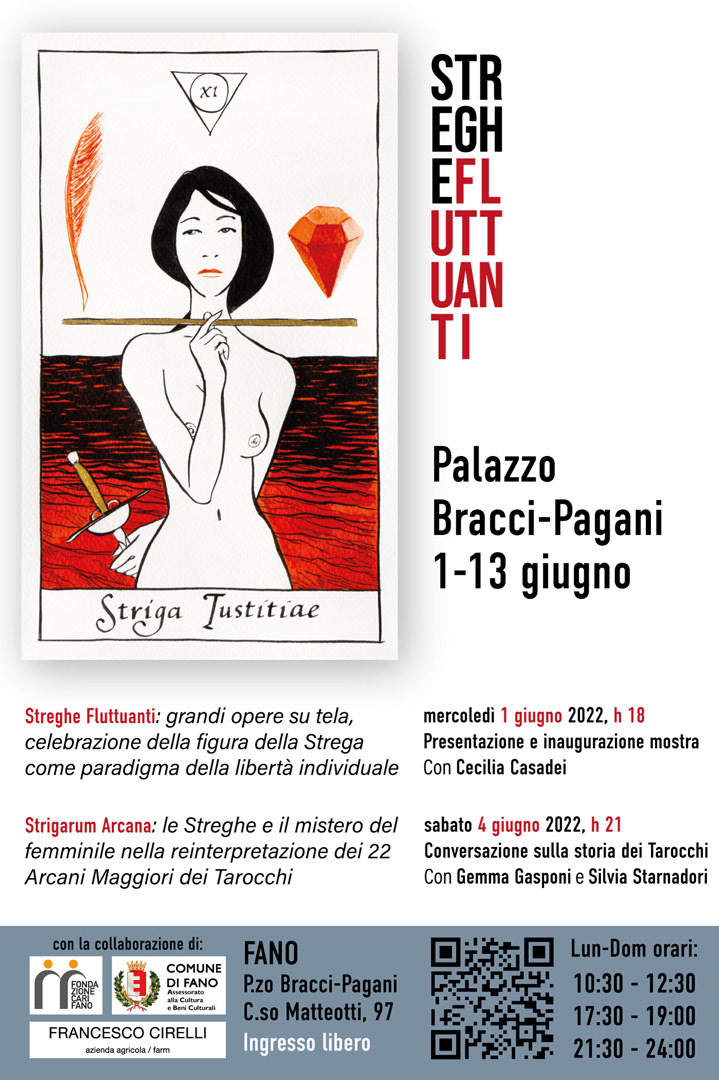
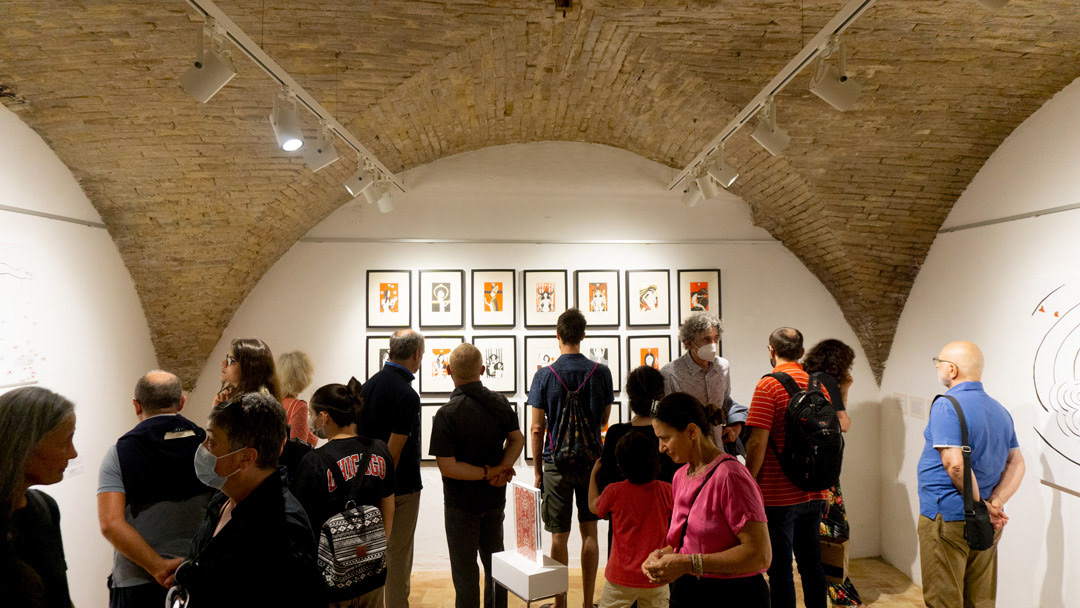
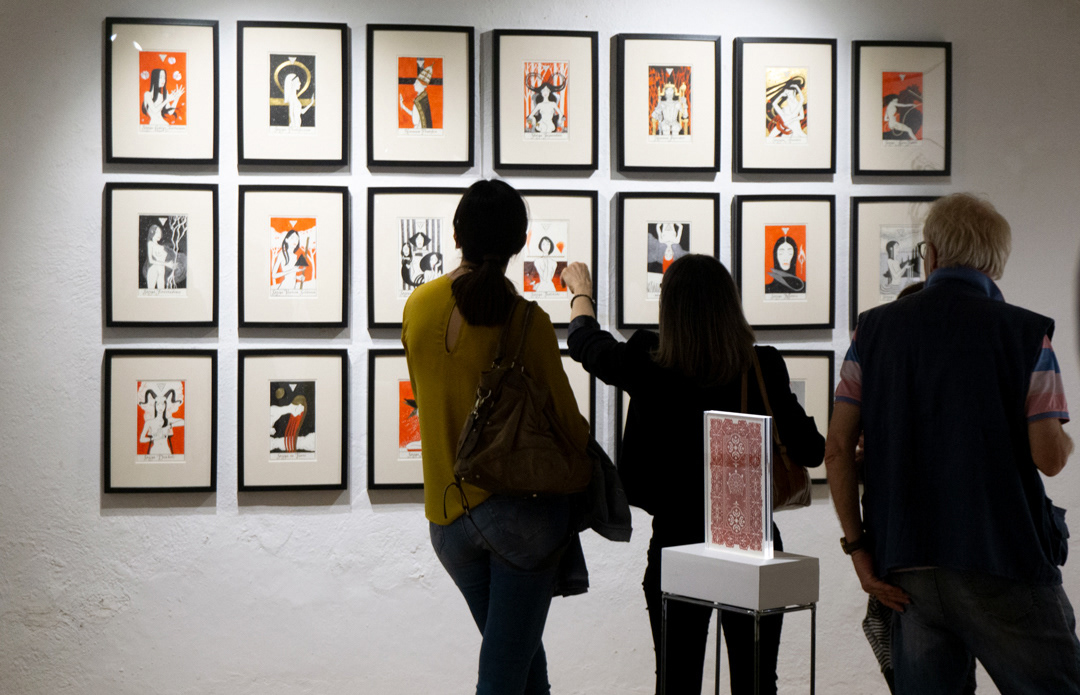
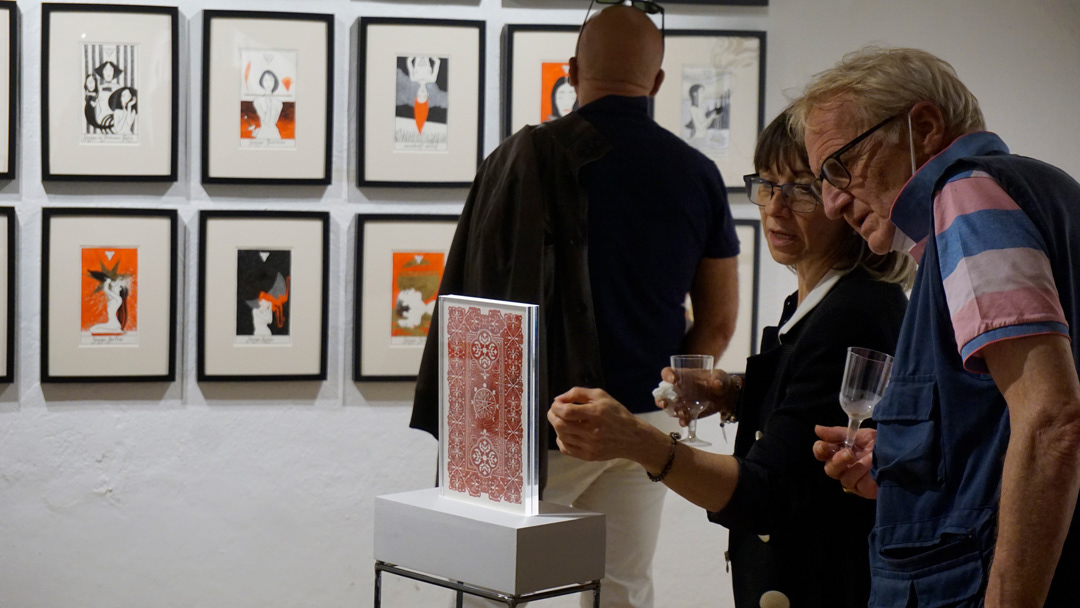
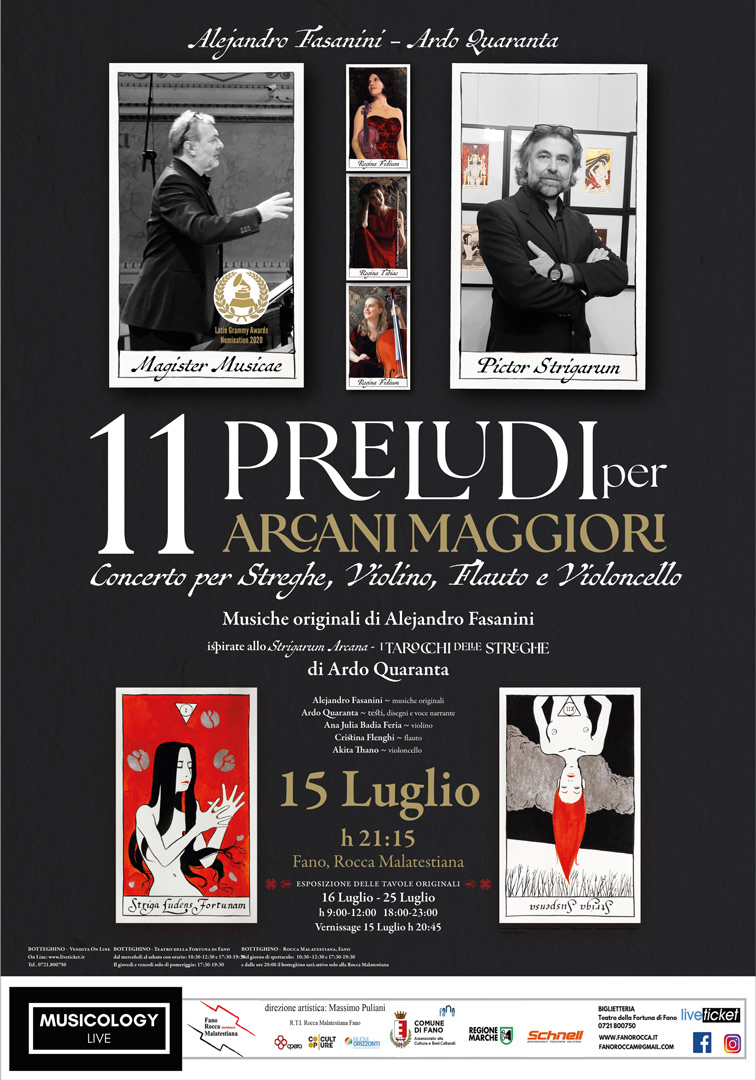
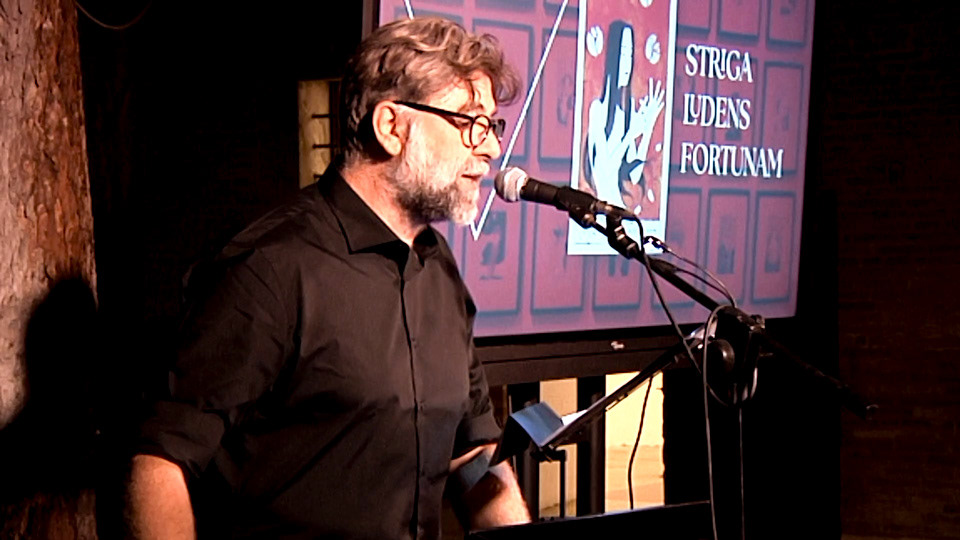
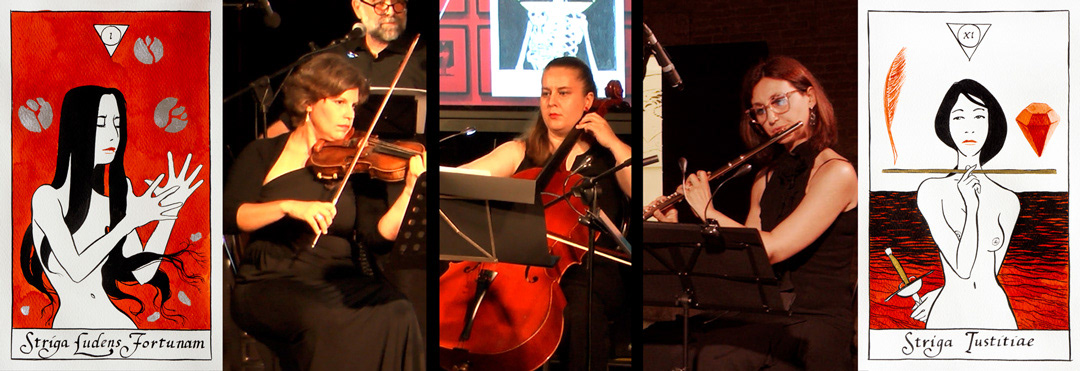
Strigarum Arcana has not remained confined to the page.
The project has already been presented through exhibitions and a live performance, where the Major Arcana were translated into sound.
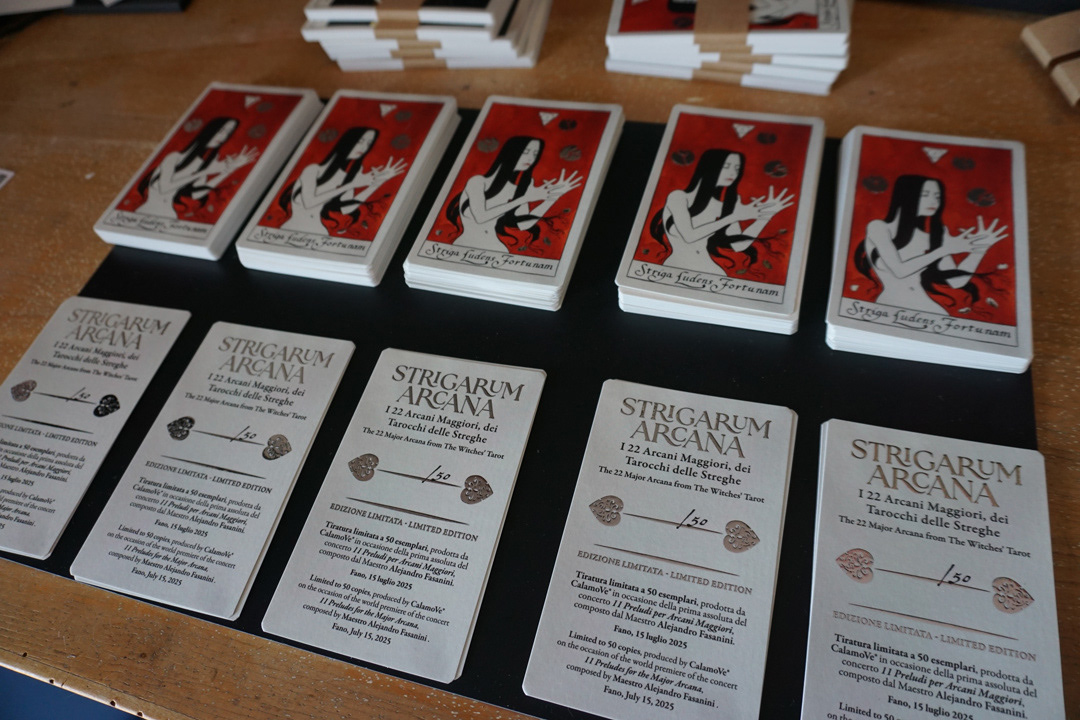
11 Preludi per Arcani Maggiori, composed by Alejandro Fasanini, extended the visual system of the deck into a temporal and acoustic dimension.
The cards are not only images.
They are structures capable of generating experience: visual, symbolic, physical, and sonic.
They are structures capable of generating experience: visual, symbolic, physical, and sonic.


The Gradara Exhibition
Rocca Demaniale, Gradara, Italy
19 September - 1 November
Rocca Demaniale, Gradara, Italy
19 September - 1 November
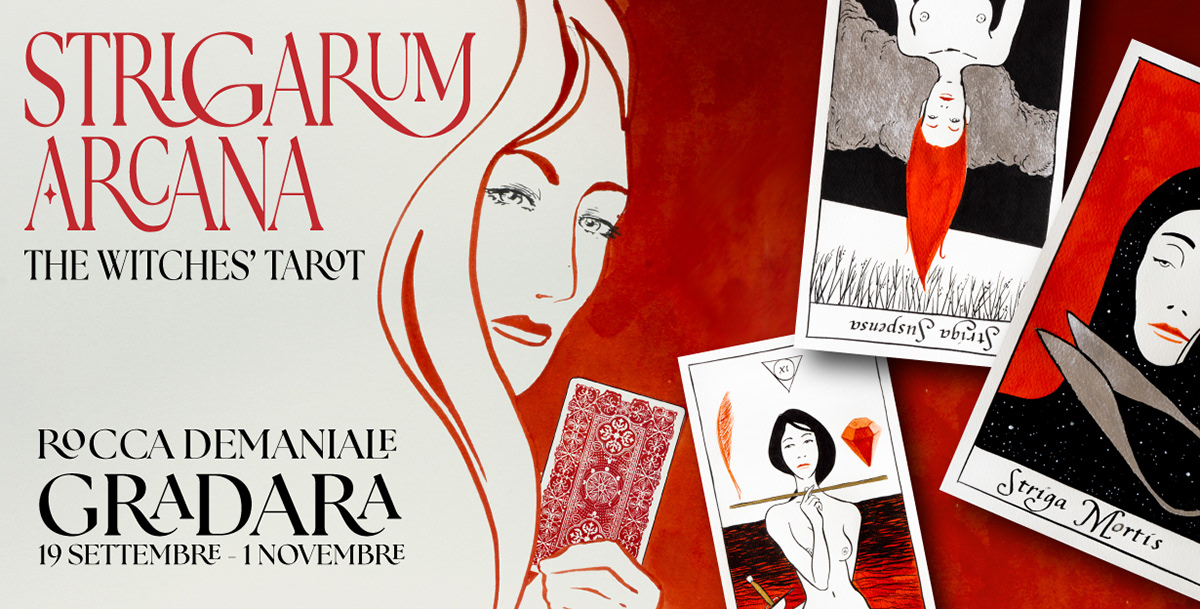
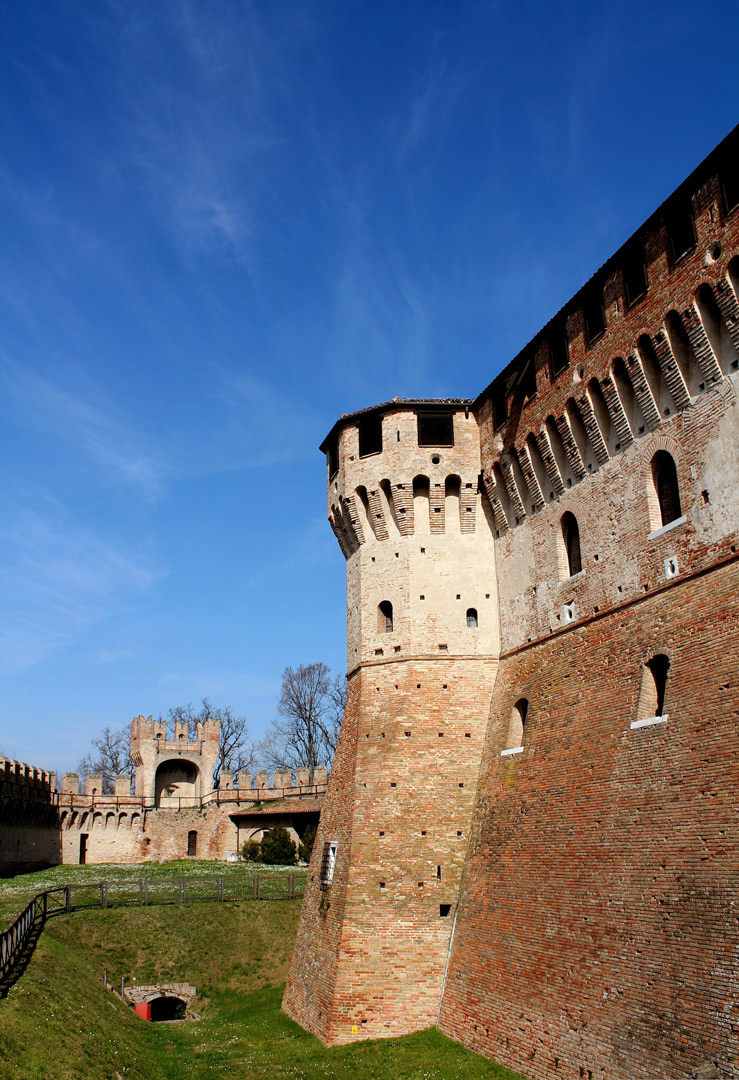
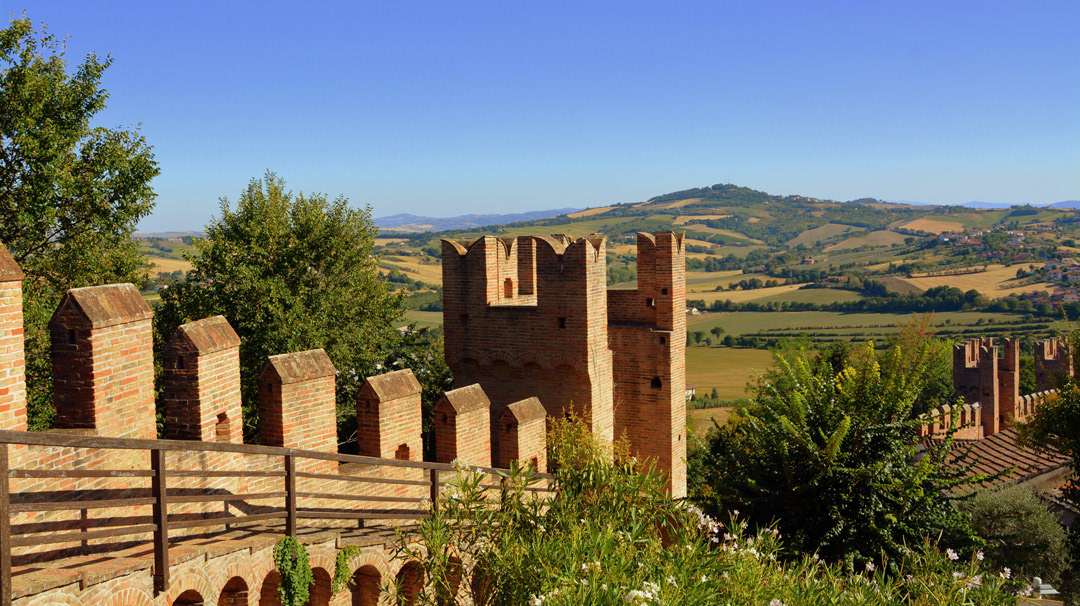
Before its first complete edition is released through Kickstarter, Strigarum Arcana will be presented at the Rocca Demaniale in Gradara in a dedicated exhibition.
For the first time, the 78 original artworks of the deck will be shown together, alongside preparatory studies, videos documenting the creative process and an interactive installation connected to the Major Arcana.
Gradara marks a decisive passage in the project: from the original drawings to the complete 78-card system, before the next step toward the printed deck.

Toward the First Complete Edition
Following the Gradara exhibition, Strigarum Arcana will move toward its first complete 78-card printed edition.
The Gradara Exhibition Edition will present the 22 Major Arcana as a limited exhibition deck.
The Kickstarter campaign will instead be dedicated to the first complete edition of Strigarum Arcana: the full 78-card tarot deck, including Major Arcana, Minor Arcana, court cards, and numeral cards.
The complete edition is conceived as a limited art deck, preserving the visual identity of the original works: ink, red, black, gold, silver, handwritten Latin names, and the material presence of the drawings.
The early access list will receive essential updates before the campaign goes live.
Get essential updates before the Kickstarter launch.

How Kickstarter Works
Kickstarter will allow the first complete edition of Strigarum Arcana to be produced with the support of its future readers, collectors, and backers.
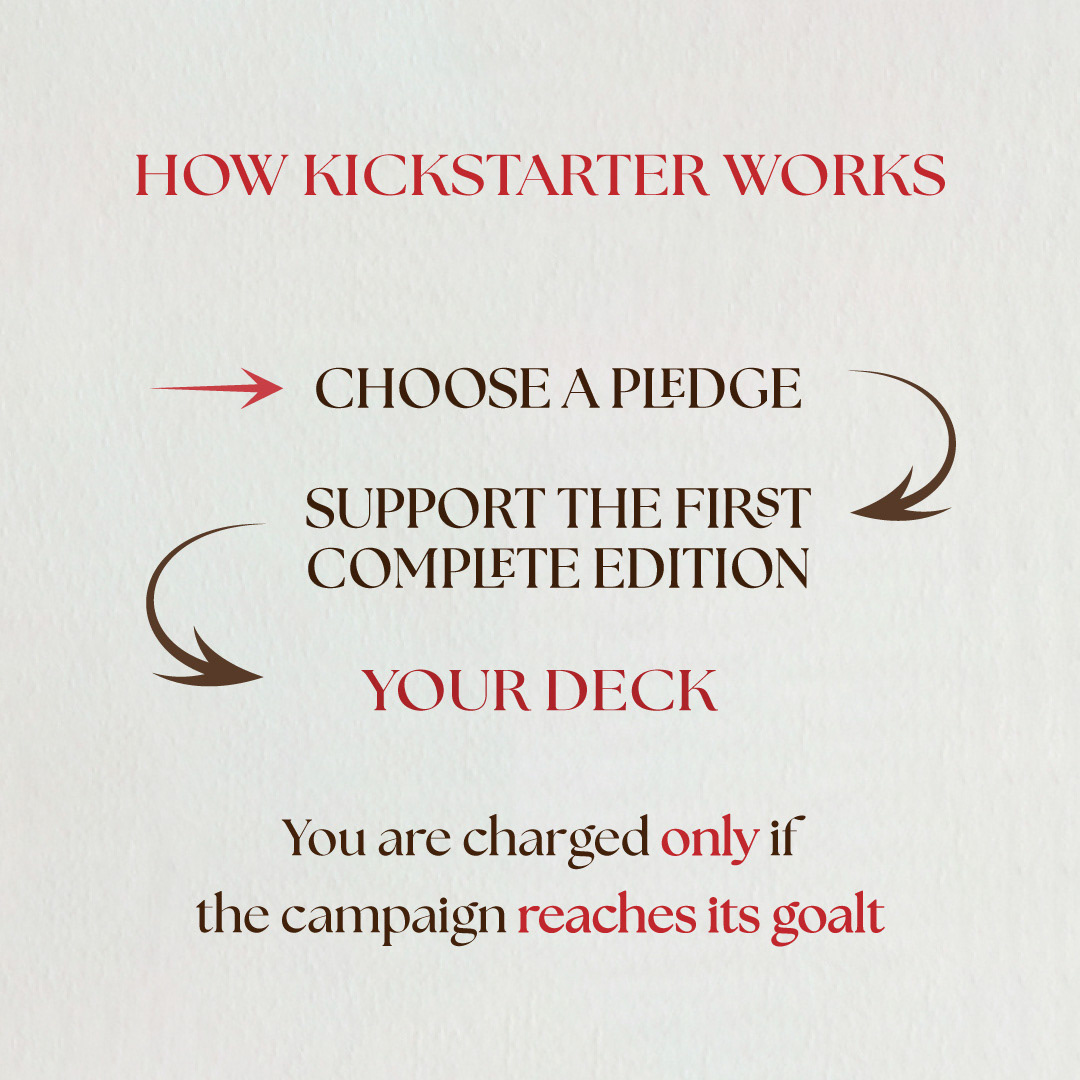
Kickstarter is a crowdfunding platform for creative projects.
When the campaign launches, you will be able to support Strigarum Arcana by choosing a pledge. Depending on the reward level, this may include the first complete 78-card deck and other project-related editions or objects.
Kickstarter works on an all-or-nothing model: if the campaign reaches its funding goal, the project can move into production. If it does not reach its goal, backers are not charged.
For Strigarum Arcana, Kickstarter is not simply a sales platform.
It is the way to gather the first community around the complete edition and make the production of the deck possible.
It is the way to gather the first community around the complete edition and make the production of the deck possible.
Get ready before the campaign opens.

The Artist Behind Strigarum Arcana
Created by Ardo Quaranta, Strigarum Arcana is the result of a long artistic path shaped by drawing, matter, calligraphy, and symbolic research.
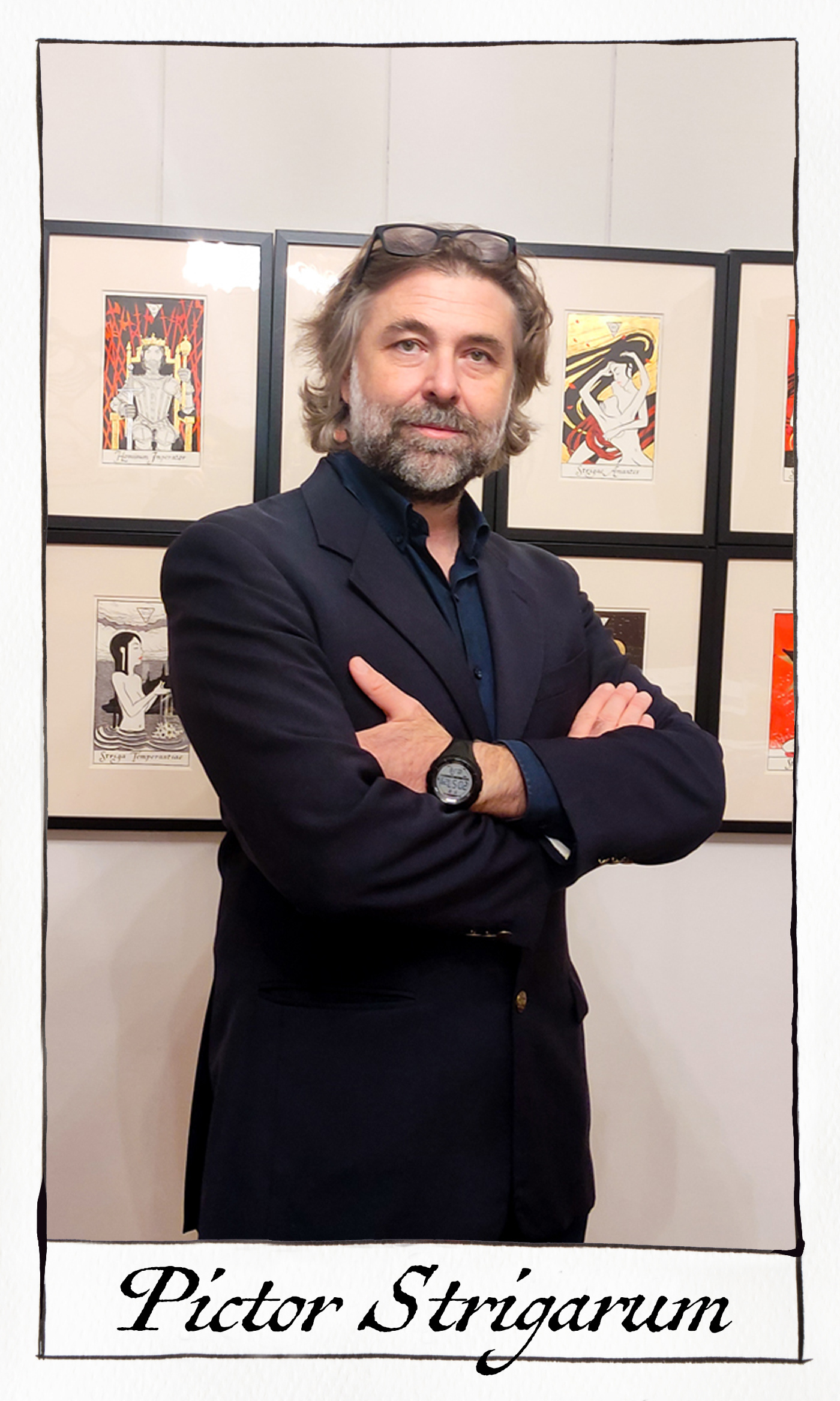
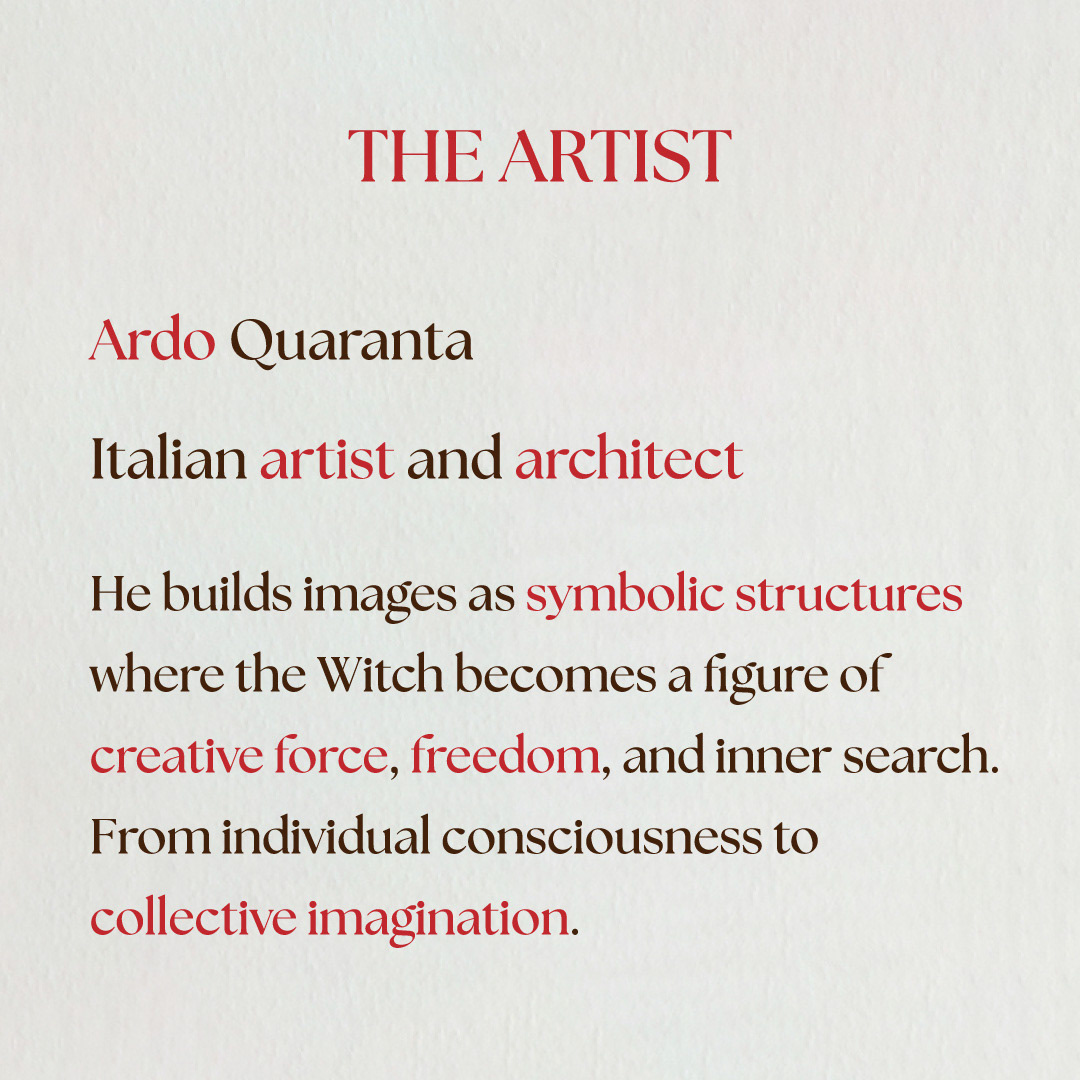
Strigarum Arcana is created by Ardo Quaranta, an Italian artist and architect.
The deck is the result of a long artistic path in which the Witch has become a central image of creative force, fierce dignity, inner quest, and freedom of being.
In Strigarum Arcana, the Witch becomes a figure of singularity: the courage to become what one is.
Quaranta’s visual language moves between reason and feeling, structure and intuition, matter and symbolic imagination.
Each card is the result of drawing, revision, material work, and a continuous dialogue with tarot as a visual architecture.

Join the Early Access List
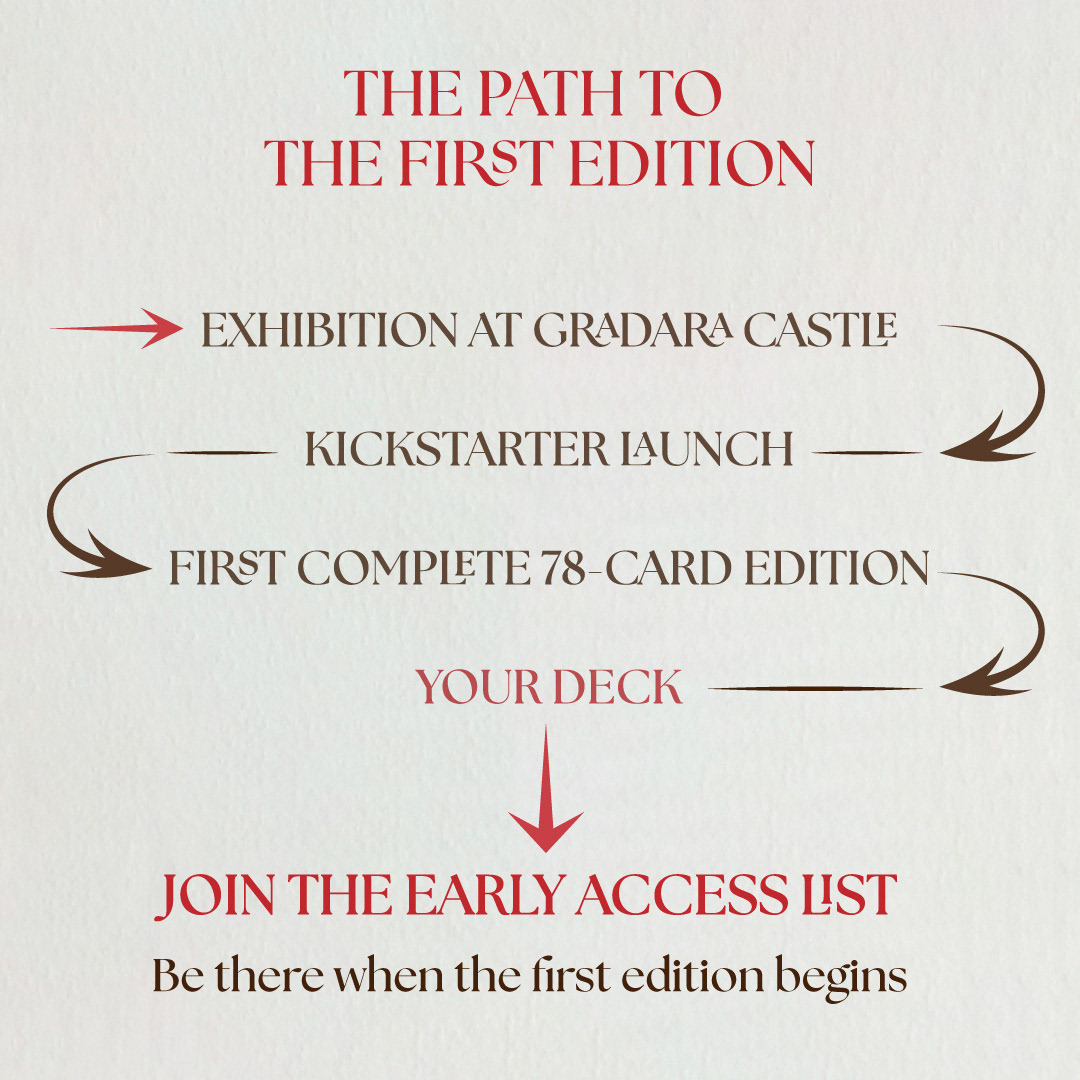
Follow Strigarum Arcana toward the Gradara exhibition, the Kickstarter launch, and the first complete 78-card edition.
Strigarum Arcana is moving toward a decisive passage: the Gradara exhibition and the first complete printed edition.
By joining the early access list, you will receive only essential updates about the deck, the exhibition, and the Kickstarter campaign.
No spam.
Only important news about the project and its first edition.
Only important news about the project and its first edition.
Essential updates only.
You can unsubscribe at any time.
You can unsubscribe at any time.

Follow the Project
Images, work in progress, exhibitions, and updates.